9 Great Positive Parenting Tips for Toddlers

In this article, we will talk about Positive Parenting Tips for Toddlers. Toddlers are cute, sweet, holy terrors. Just kidding. Sort of. Toddlers are growing into their personalities and selves, and it can make for a bumpy ride. However, parenting with positivity at the forefront is key to getting through these years. They do not last forever.
Toddlers are growing quickly and learning like you wouldn’t believe. As a matter of fact, some of the things they are learning, they cannot express. This creates a volatile tiny human. Here are some ways to cope with and offer positive parenting to these children. First, though, I want to talk about punishment vs. reinforcement.
Positive or Negative, Reinforcement or Punishment, Positive Parenting
Before we talk about Parenting Tips for Toddlers First, let’s chat a moment about what each of these terms means in the context of parental discipline.
Positive
If something is positive, as it refers to discipline, you are giving your child something. Positive, in this case, is not necessarily something they like. For example, you can give your child his favorite ice cream. You could also give your child an extra chore or scoop of peas at dinner.
Negative
As you might imagine, negative is taking something away. This concept, again, can apply to something they like or dislike. For example, taking away the pea requirement for kids who do not want to eat peas is not a bad thing to them. However, taking away their favorite truck may be torture.
Reinforcement
This concept is something done to increase a behavior. Negative reinforcement is a good thing sometimes. For example, you may tell your child, “I won’t make you finish your peas tonight if you clean your room.” You want the child to increase the behavior of cleaning his or her room. Therefore, taking (negative) the peas increases (reinforces) the behavior. Likewise, you can give them something to reinforce the behavior. I will give you ten extra minutes of television if you clean your room. Giving (positive) increases (reinforces) the behavior in the child.
Punishment
On the other hand, if you wanted to stop a behavior, you would do something to or for the child. For example, giving your child an extra chore after dinner for belching and not saying excuse me is giving (positive) something they do not like (punishment). In turn, taking (negative) their television time for hitting their sibling (punishment) would decrease the behavior.
Positive Parenting Tips for Toddlers
This concept is not about punishment or reinforcement as much as it is learning to deal with the toddler behavior in yourself and helping them learn better processes. Often, toddlers do not know how to react to situations. Positive parenting is not about punishing bad behavior. It is about teaching them appropriate behavior.
How to Be a More Positive Parent
Positive parenting does not focus on consequences as much as it focuses on behavior and teaching. Each of the following tips will focus on things you can do to help your child learn better behaviors and you to be less of a yeller or corrector.
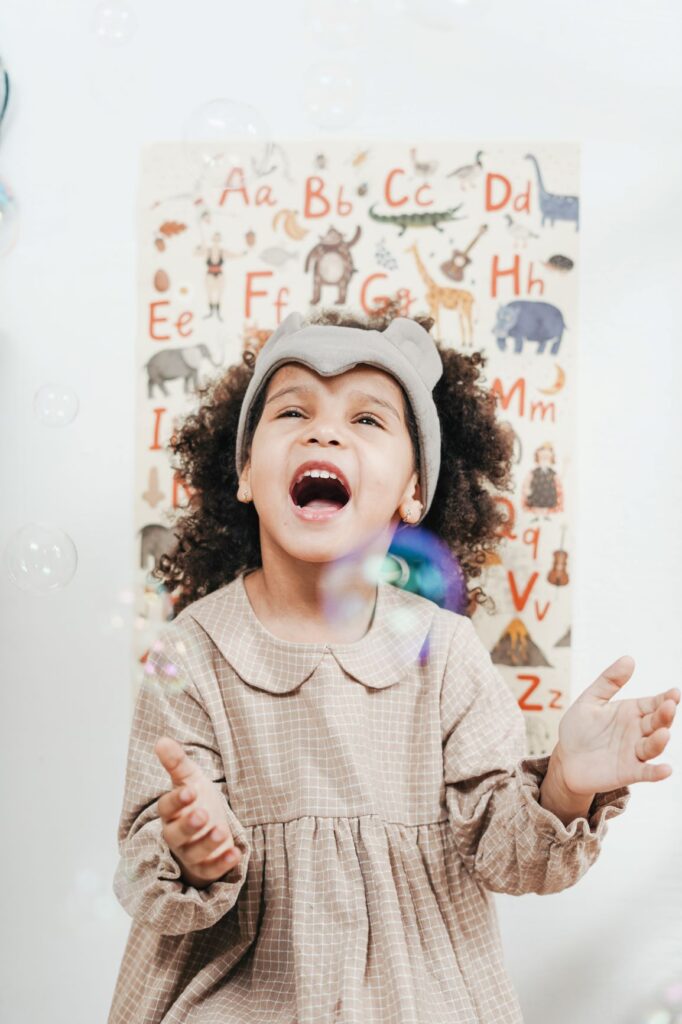
Parenting Tips for Toddlers:
Empathize
Toddlers often have limited vocabularies. You will want to focus on how you might feel if you did not know the words, but you were tired, frustrated, or uncomfortable. When babies are young, they cry to communicate their needs. Toddlers have built a small vocabulary, but they often do not know what to say or do with their words.
I sometimes hear teachers, parents, and caregivers tell toddlers to “use their words,” but they are too young to know which words they need.
Model the words. How would you feel if you were hungry but couldn’t remember the word yogurt or snack because it was new? What if you were a native English speaker who was suddenly left in Germany? You had a few German lessons and understood some words, but you do not remember what to say to ask for a sandwich. How might you feel? You might be frustrated.
Depending on your hunger level, you might even cry. Now, as an adult, you might know to go to a store and point to what you want, but a toddler does not readily know what to do. If your German teacher shouted, “Use your words,” at you in German, you might get upset.
This feeling is what toddlers feel. They sometimes do not know what to do to get what they want or need, so they take it, hit, or cry. Put yourself in their shoes.
Model
Show your child what you expect. When you are at the table, tell dad that you would like the peas, salt, or juice. Your child will see you using words like please, thank you, peas, salt, juice, and dad. He or she will start to make associations with all of these vocabulary words. As you pick up something, repeat the word. Cup, remote, juice, fork, spoon, bowl, chicken, or whatever you have can help them learn more vocabulary.
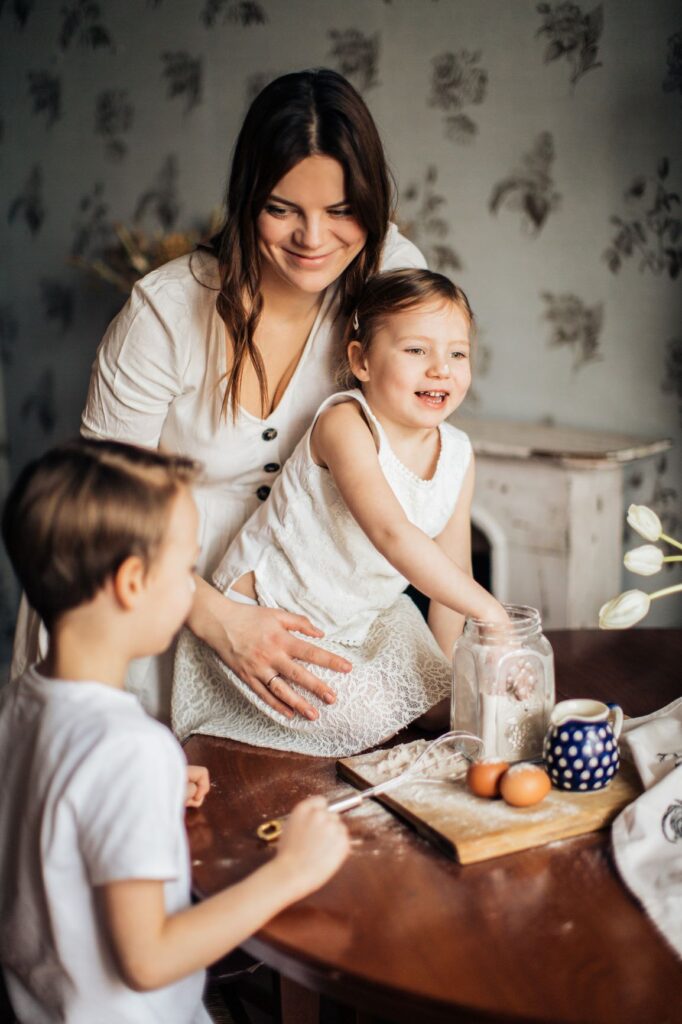
You can start doing this with a baby. I know a dad who started saying right foot and left foot when he would put his child’s shoes on her. She has Down syndrome. At four, she knew right and left. Many of her peers did not know this. Dad gave her the vocabulary early. He modeled right and left from the day she came home.
Make Learning Fun
Make mistakes and laugh at yourself. Do not make your toddler feel overwhelmed if he or she makes a mistake. If you are teaching manners after burping, you may have to have a burping contest just to demonstrate. You may also have to demonstrate coughing in your elbow or other bodily functions. Let your kids know that while there is a polite way to respond, you are not so uptight that no fun is to creep into life.
Accept Their Feelings, but Give Consequences
Tell your children that it’s okay to be sad, mad, hurt, or any other emotion. I often say, “Well, you can be mad if you need to, but we do not hit our friends.” I am not discounting the anger. Mad is an acceptable emotion, but the behavior is not. Then you must give the consequence. “Since you decided to hit your friend, you are going to sit in a time-out for two minutes.
You have to calm down and learn not to hit your friend.” This helps your child understand cause and effect as well as appropriate behavior. His inappropriate behavior resulted in no toys. However, please do this when it is developmentally appropriate. If the child does not understand sitting in time out, no amount of time will help.
Let Them Explore, and Sometimes Fail
Yes, let your toddler fail. Your child needs to try things for him or herself, but he or she also needs to know that some things are not appropriate for them to do. This means that you may have to clean up spilled milk from time to time. Your toddler also needs some victories.
Let him or her “chop” mushrooms using an egg slicer. Give them stools in the kitchen to stand on while you cook, and they help you by putting the cut vegetables in a bowl. Give them a small broom for sweeping or teach them how to sort Legos by color. Whatever you do, let them try things for themselves. Sometimes, let them succeed, but do not be afraid to let them fail before stepping in to help.
Physical Feedback
Hugs, high fives, and fist bumps make your child feel good. Honestly, a warm squeezy hug from your toddler probably makes you feel good. When your child learns a new color, word, or task, give them feedback such as “Great job!” and a high five. Your child will learn that hugs, high fives, and fist bumps are for positive things. They may even start to give you high fives for tying your shoes, cooking dinner, or clearing your plate.

Laugh
Sometimes it’s okay just to laugh. Let your child know that it’s okay to be silly. Have fun, and show them that they do not have to be perfect or perform all the time. Kids often have great laughs that make you feel even better yourself.
Be a Soft Spot to Land
If you are a stay-at-home parent, sometimes kids need to decompress after a long day. This means that you may find that the thirty minutes after arriving at home is a battle. Stop fighting it. Let them meltdown and offer a hug and gentle touch. When the meltdown is over, you may talk about why they were upset or help them find better words, but sometimes it is best to let them get it done.
Bottom Line
for Parenting Tips for Toddlers, Try to be understanding with your child. Think about how you would feel and how you would want someone to react. Let them learn for themselves, but be there when they need you. Parenting is not easy, but good parents keep trying and know that they will fail themselves from time to time. You can handle these years.
Read more:
The Challenges Of Being A Stay At Home Mom And How To Make The Best Of Them